Radial Shockwave Therapy Pasadena

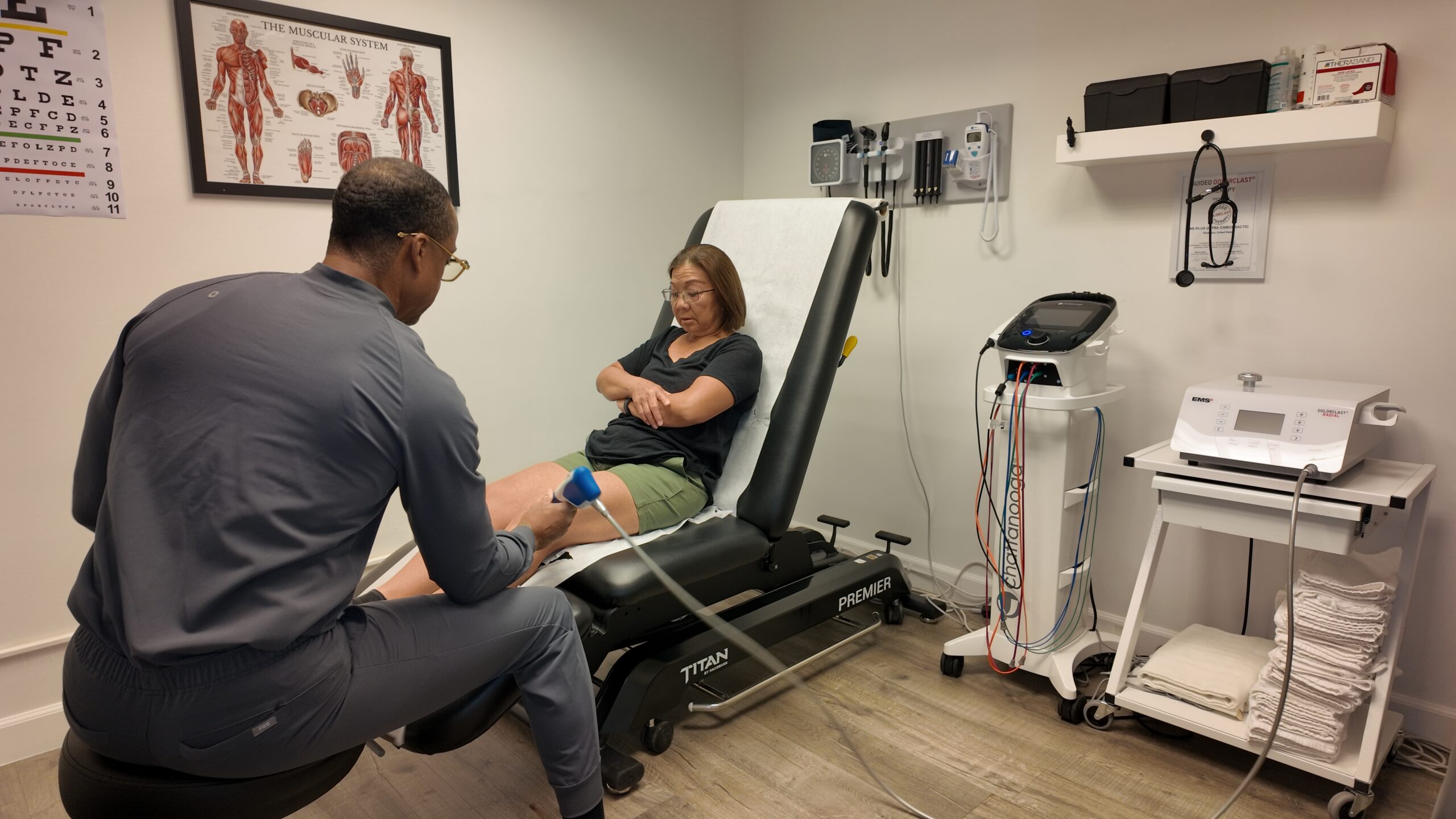
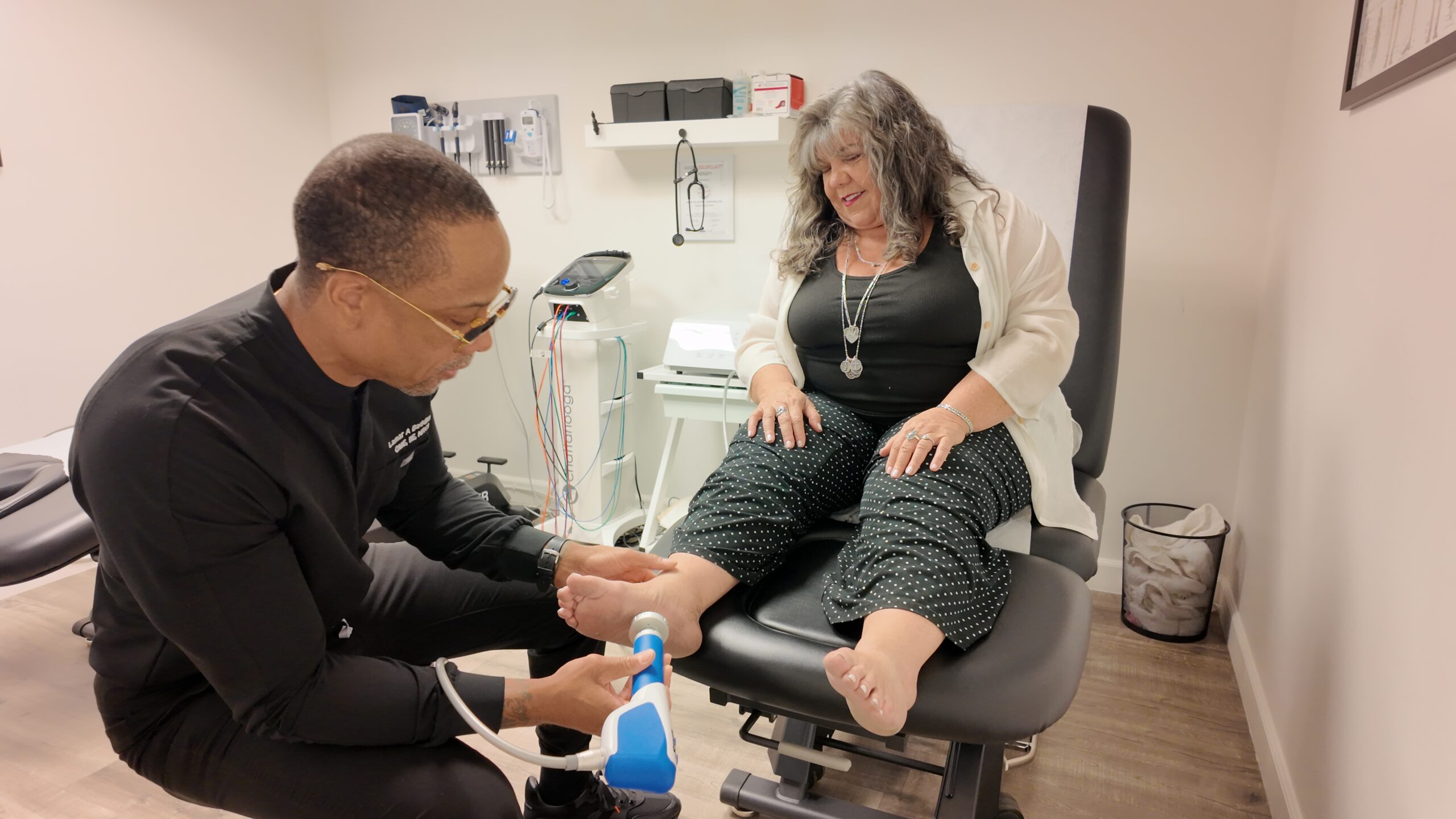
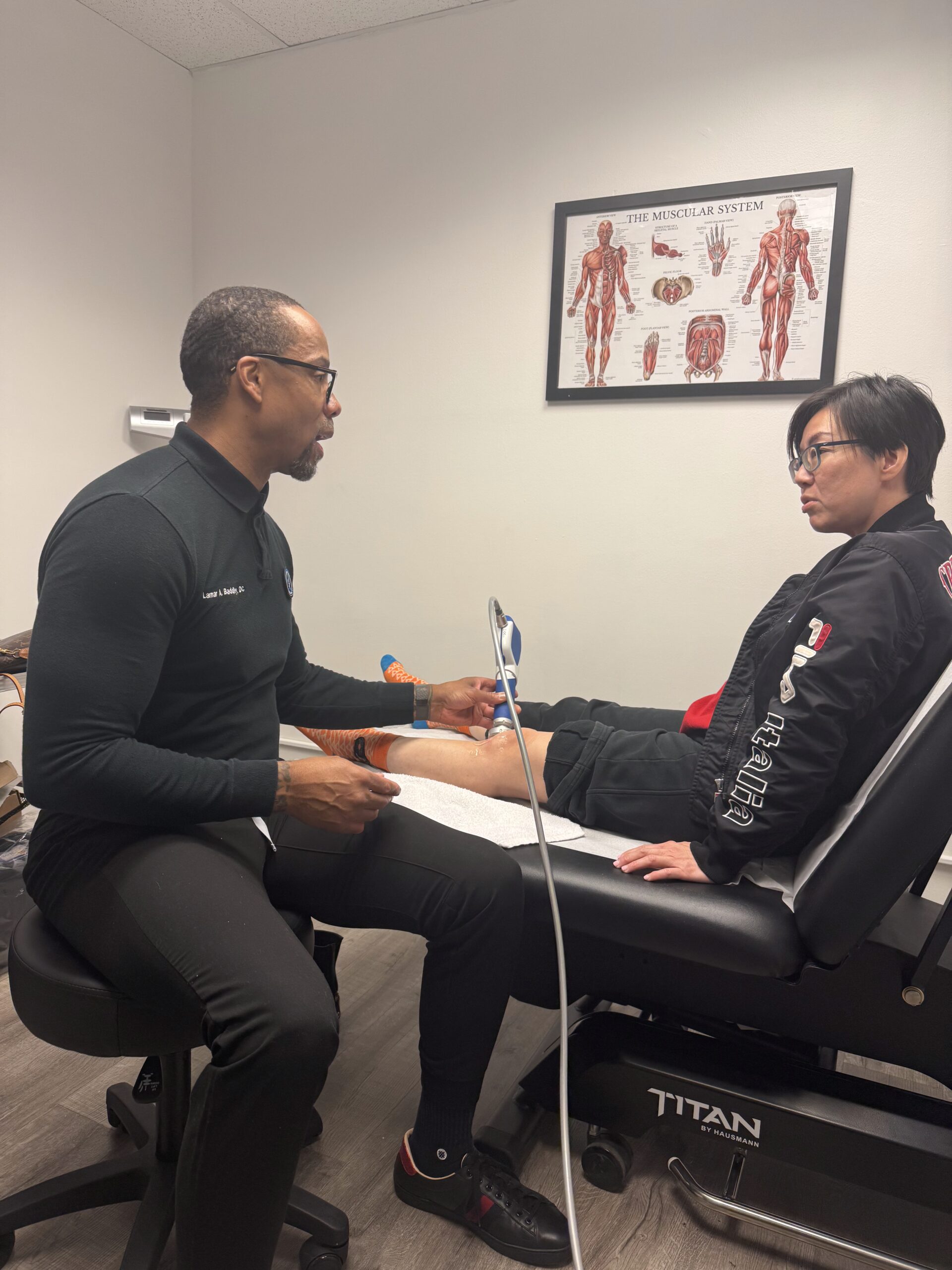
Radial Shockwave Therapy Pasadena is available at NE-Plus Ultra Chiropractic for patients with select musculoskeletal conditions involving muscles, tendons, and joints. EMS Radial Shockwave Therapy (RSWT) uses mechanically generated radial pressure waves delivered through a handheld applicator to targeted tissues. These pressure waves may help modulate pain, support local circulation, and stimulate tissue-repair responses. RSWT is commonly used as part of conservative care for certain tendon and soft-tissue conditions. Treatment recommendations are based on clinical evaluation, individual findings, and whether the therapy is appropriate for the condition being treated. Learn more about shockwave therapy research from the National Library of Medicine.
Radial shockwave Therapy Pasadena: Mechanism of Action
Radial Pressure Waves
- A specialized handpiece accelerates a small projectile via compressed air.
- When the projectile strikes the applicator, it generates radial shock waves that spread outward into the tissue.
Physiological Effects
- Enhanced Circulation: Shock waves increase blood flow, helping deliver oxygen and nutrients to the injured area.
- Tissue Response: Mechanical pressure waves may stimulate local biological responses associated with circulation, collagen remodeling, and tissue repair.
- Pain Modulation: Repetitive mechanical pulses can disrupt chronic pain signals and trigger the release of natural pain-relieving substances.
Typical Session Details
- Duration: Usually 5–15 minutes per treatment area.
- Frequency: Often administered once a week over 3–6 weeks, adjusted to individual needs.
- Comfort Level: Patients may feel mild discomfort or a tapping sensation during the procedure, with minimal after-effects.
Commonly Treated Muscles and Regions
Neck and Upper Back
- May include muscles like the trapezius or semispinalis cervicis, which can tighten under stress or strain.
- Targeted application often eases tension and may reduce headaches or neck stiffness.
Shoulder and Arm
- Rotator cuff muscles such as supraspinatus or infraspinatus can be addressed to alleviate shoulder impingements or tendinitis.
- Forearm muscles (e.g., supinator) may be treated to relieve overuse injuries like tennis elbow.
Jaw and Facial Area
- Jaw muscles, including the masseter, can benefit from shock wave therapy when issues like temporomandibular joint (TMJ) dysfunction and teeth grinding are present.
Hip and Thigh
- Muscles such as the tensor fasciae latae (TFL) or the quadriceps group (rectus femoris, vastus lateralis) frequently respond well to therapy, especially if tightness or imbalances are causing hip or knee discomfort.
Buttock and Lower Back
- Gluteal and lumbar muscles (e.g., gluteus medius, piriformis, quadratus lumborum) may be treated to help alleviate sciatic nerve compression or chronic lower back pain.
Leg and Foot
- Areas like the gastrocnemius (calf) or peroneal (fibularis) muscles along the lower leg can be targeted for tendon issues, ankle instability, or shin splints.
- Foot-related pain (e.g., plantar fasciitis) may also benefit from improved circulation and tissue regeneration in the affected muscles.
Dolorclast® Radial Therapy
DolorClast® radial shockwave therapy is a noninvasive treatment option for selected musculoskeletal conditions.
- No surgery or injections: Treatment is performed through the skin without incisions or injected medication.
- Minimal downtime: Many patients can resume normal daily activities after treatment, depending on the condition and individual response.
- Individualized care: Temporary soreness, redness, or swelling may occur. A clinical evaluation helps determine whether treatment is appropriate.
Benefits of RSWT
- Non-Invasive Approach
- Requires no surgery or injections, minimizing risks such as infection or complications from anesthesia
- Support for Recovery: Enhanced local circulation and tissue responses may support recovery in appropriately selected musculoskeletal conditions. Treatment frequency and response vary by condition and individual patient factors.
Broad Application
- Suitable for chronic or acute conditions affecting numerous areas—neck, shoulders, hips, knees, or feet—making it versatile for various musculoskeletal complaints.
- Pain Modulation: Radial pressure waves may help reduce pain sensitivity and muscle tension in some patients. Response varies by condition, treatment area, and individual factors.
- Minimal Downtime: Many patients are able to resume normal daily activities shortly after treatment, depending on the condition treated and individual response.
Safety and Considerations
Contraindications
- Pregnancy, acute inflammation or infection in the treatment area, severe vascular or neurological conditions, and certain bleeding disorders may warrant caution.
- Always discuss existing medical conditions with a qualified provider before treatment.
Possible Side Effects
- Mild discomfort, redness, or swelling can occur temporarily but typically resolves quickly without long-term effects.
Clinical Consultation
- An assessment by a healthcare professional helps determine if RSWT is the most appropriate therapy. Treatment plans can be customized to address individual needs and health profiles.
Schedule a Radial Shockwave Therapy pasadena Consultation
Ready to find out if Radial Shockwave Therapy is right for you? Schedule a consultation at NE-PLUS ULTRA Chiropractic in Pasadena. We’ll evaluate your condition, discuss your goals, and determine whether radial shockwave therapy may be an appropriate treatment option for you.